Cycling · 2 min read
Smart Trainer Buying Guide: Direct-Drive vs Wheel-On
A smart trainer turns your bike into an indoor training machine that can control resistance automatically and connect to training apps. They're the most popular way for triathletes and cyclists to train through winter or around busy schedules. Here's how to choose one.
By the Fuel & Kit team · Updated
Direct-drive vs wheel-on
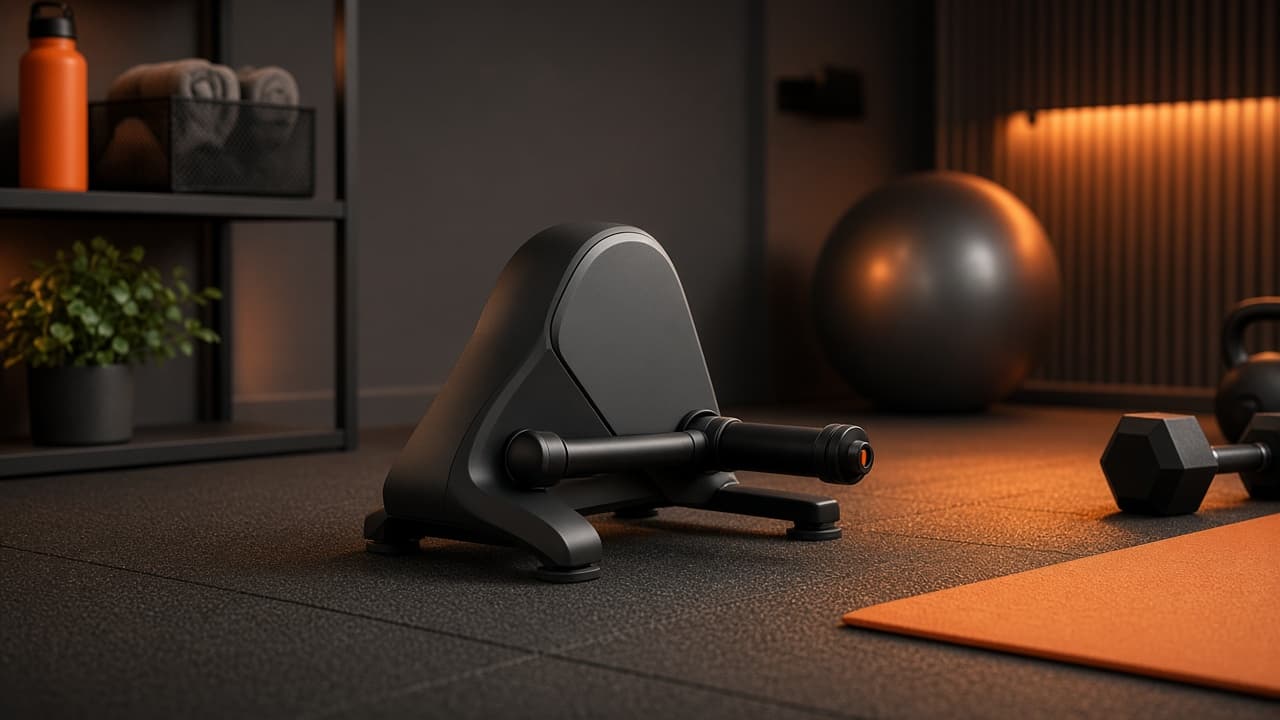
Direct-drive trainers replace your rear wheel: you take the wheel off and mount the bike onto a cassette on the trainer. They're quieter, feel more realistic, measure power more accurately and don't wear your tyre. Wheel-on trainers press a roller against your rear tyre — cheaper and quicker to set up, but louder and less accurate.
If your budget allows, direct-drive is the better long-term buy. A wheel-on trainer is a reasonable way to start if you're unsure how much you'll ride indoors.
Check the cassette and your bike
Many direct-drive trainers ship without a cassette, or with one that may not match your drivetrain. Check whether a cassette is included and which speed it is, and confirm your bike's axle type (quick release or thru-axle) is supported. Our indoor trainers guide notes cassette details for each pick.
What else matters
- Connectivity: ANT+ FTP and Bluetooth for apps like Zwift, TrainerRoad or Rouvy
- Max resistance and simulated gradient — matters more for strong riders and steep virtual climbs
- Noise — important in flats and shared homes
- Fold-away legs if storage space is tight
Set up for comfort
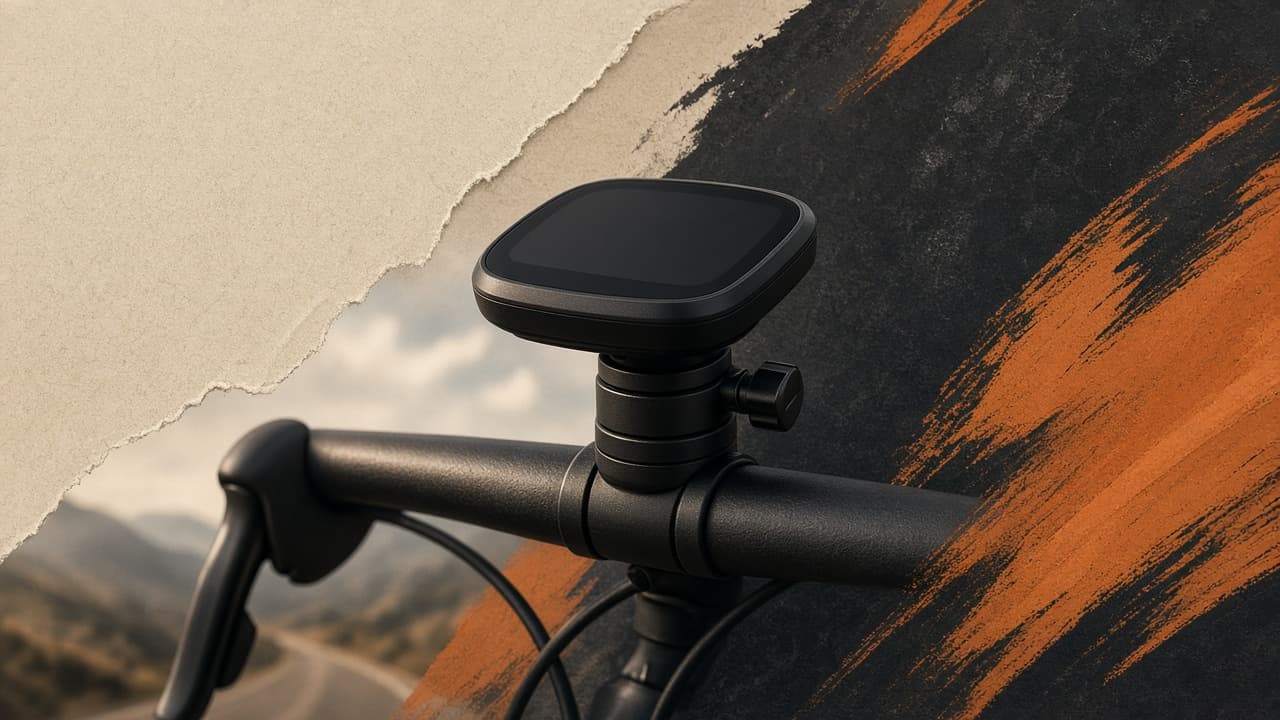
Indoor riding is hot: a strong fan makes a bigger difference than most upgrades. A mat protects the floor from sweat, and a bike computer or tablet runs your sessions. Triathletes can do most of their bike training this way — see our beginner triathlon gear list.
Recommended gear
Our best overall and budget picks for each.
More guides
All guides →Hyrox · 2 min read
What to Wear for Hyrox: Race-Day Kit Guide
What to wear for your first Hyrox: shoes, clothing, gloves and extras for the 8 × 1 km runs and 8 stations — plus what to leave in your bag.
Read guide →Hyrox · 2 min read
Hyrox Race-Day Checklist: What to Pack
A simple Hyrox packing checklist: race kit, spare clothes, fuel, recovery and admin items, so you arrive calm and don't forget anything on race day.
Read guide →Hyrox · 2 min read
Can You Wear Gloves in Hyrox? Rules and What to Choose
Gloves in Hyrox: are they allowed, which stations they help with, and how to pick thin gloves that won't slow you down on the wall balls.
Read guide →