Hyrox · 2 min read
What to Wear for Hyrox: Race-Day Kit Guide
Hyrox mixes eight 1 km runs with eight functional stations, so your kit has to do two jobs at once: run comfortably on a hard indoor floor and stay stable when you push, pull, carry and lunge. The good news is you don't need much. Here is what actually matters, in order of importance.
By the Fuel & Kit team · Updated
Shoes: the one piece of kit that really matters
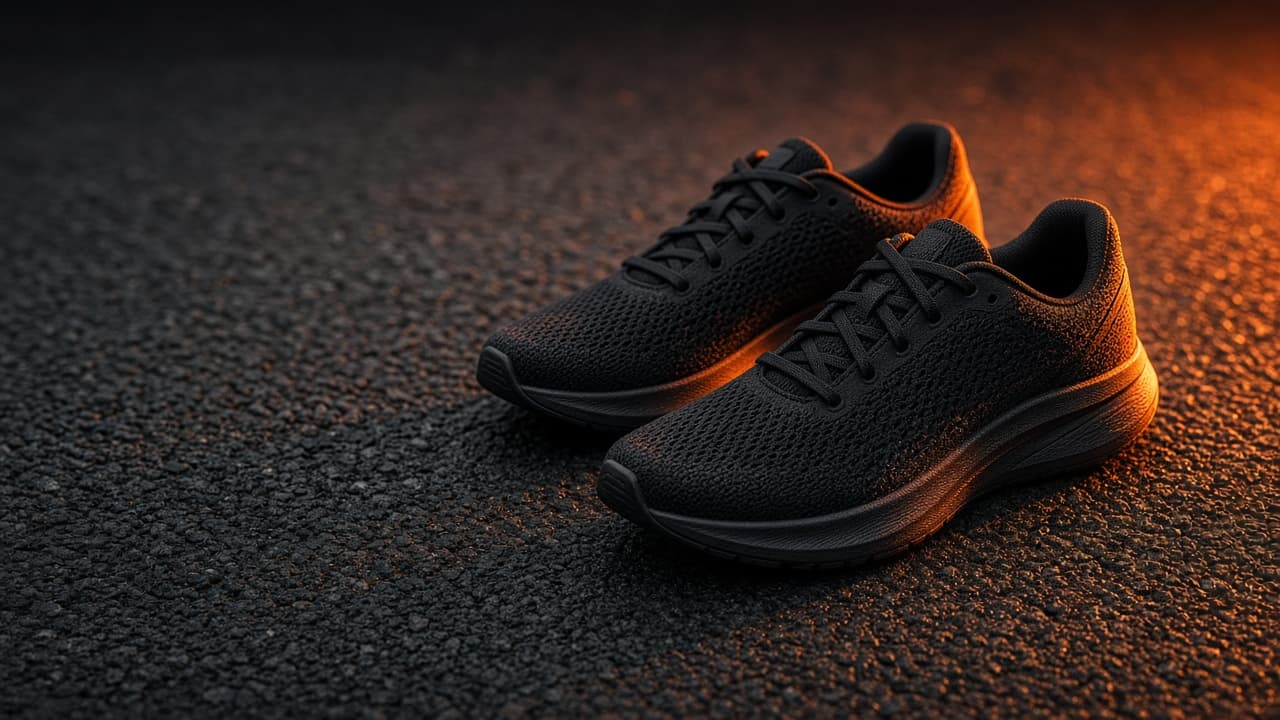
You will run 8 km in total and then ask the same shoes to grip a sled, land burpee broad jumps and hold you steady through 100 m of sandbag lunges. That rules out the extremes. A max-cushion carbon super shoe feels great on the runs but can feel wobbly on the sled push, while a flat, stiff lifting shoe is hard work over 8 km.
Most athletes do best with a stable, moderately cushioned trainer or a purpose-built hybrid shoe: a grippy outsole, a forefoot that flexes, and a heel that doesn't collapse sideways. Our Hyrox shoes guide has a best overall and a budget pick if you want a shortcut.
Clothing: fitted, light and nothing that snags
Wear what you would wear for a hard gym session, not a marathon. Fitted shorts or tights stop fabric catching on the sled rope or the sandbag, and a light top or crop that doesn't ride up when you reach for the SkiErg handles saves you from fiddling mid-race.
Venues are indoor and warm once you start, so skip layers. If you run hot, a singlet or vest is fine; if you're doubles or relay, matching kit is common but not required.
- Fitted shorts or tights with a secure waistband
- Light, sweat-wicking top that stays put overhead
- Thin running socks — blisters on the lunges are a real risk with thick, loose socks
- Hair tie or headband if you need it
Gloves: optional, but useful for the sled pull
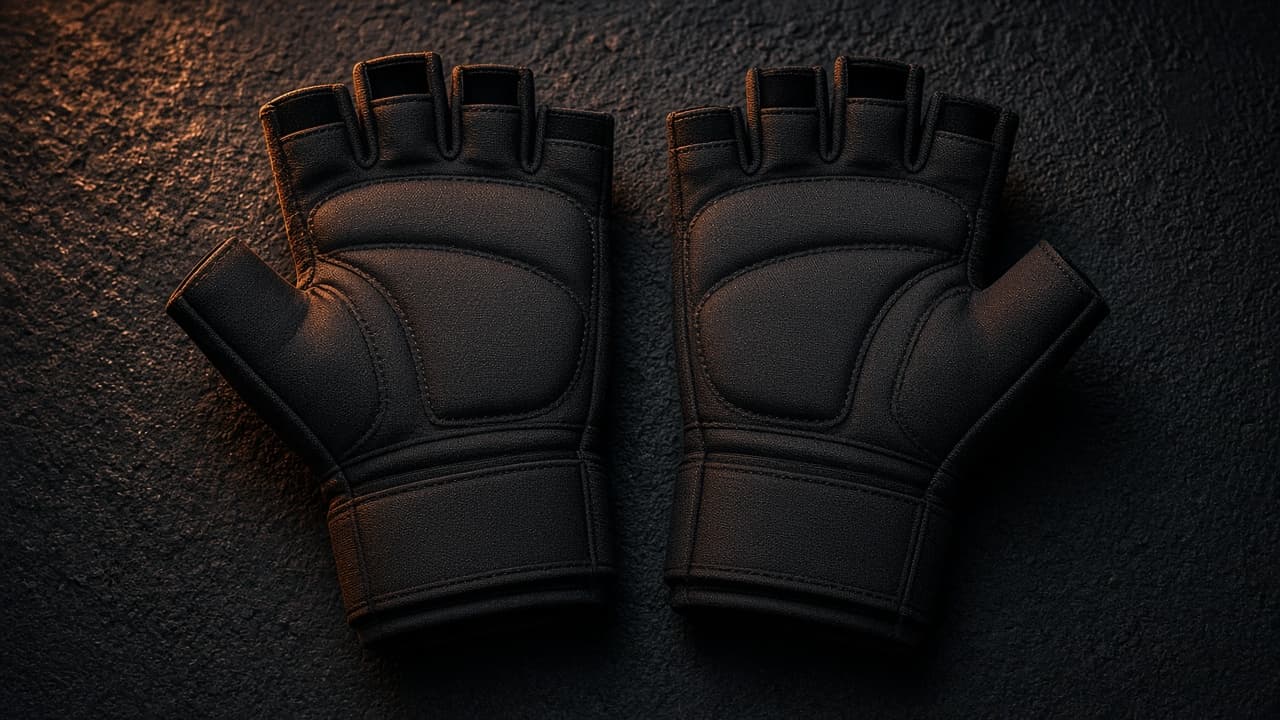
Many athletes race without gloves. Others like a thin pair for the sled pull rope and farmers carry, where grip and hot spots start to matter. If you wear them, choose thin, close-fitting gloves you can take on and off quickly — bulky lifting gloves cost time and dexterity on the wall balls. See Can you wear gloves in Hyrox? and our Hyrox gloves guide.
Watch and small extras
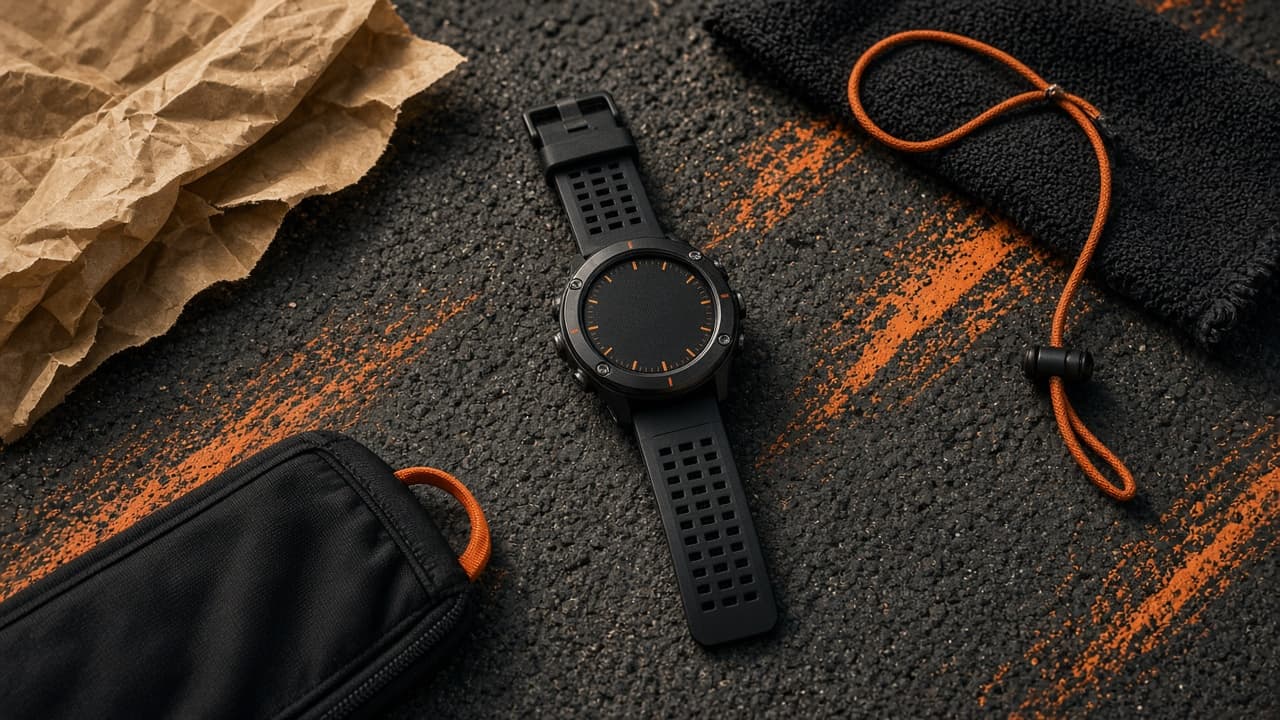
A GPS watch is less useful indoors than on the road, but a simple lap or interval mode helps you pace the 1 km runs and stops you going out too hard on run one. Anything multisport from our watch guide will do it.
Everything else lives in your bag: a warm layer for before the start, a change of clothes, water, and a gel or snack for the wait. Our race-day checklist covers the full list.
What not to wear
Avoid anything new on race day. New shoes, new socks and new tops are the classic sources of blisters and rubbing, and there is nowhere to fix them mid-race. Loose jewellery, long shorts that catch on the sled and bags or belts you don't need also go.
Recommended gear
Our best overall and budget picks for each.
Frequently asked questions
Can I wear running shoes for Hyrox?
Yes. Most athletes race in running shoes. Pick a stable pair with a grippy outsole rather than a very soft, high-stack racing shoe, which can feel unstable on the sled and lunges.
Should I wear a carbon-plated shoe for Hyrox?
It depends on your strengths. Carbon shoes help on the runs but can feel less stable on the stations. If you're newer to Hyrox, a stable trainer is the safer choice.
More guides
All guides →Hyrox · 2 min read
Hyrox Race-Day Checklist: What to Pack
A simple Hyrox packing checklist: race kit, spare clothes, fuel, recovery and admin items, so you arrive calm and don't forget anything on race day.
Read guide →Hyrox · 2 min read
Can You Wear Gloves in Hyrox? Rules and What to Choose
Gloves in Hyrox: are they allowed, which stations they help with, and how to pick thin gloves that won't slow you down on the wall balls.
Read guide →Race Nutrition · 2 min read
How Many Gels for a 70.3? A Simple Fueling Plan
How many energy gels you need for a half Ironman (70.3): a simple carbs-per-hour plan for the bike and run, with an example and tips to practice it.
Read guide →