Powerlifting · 2 min read
Home Gym for Powerlifting: What to Buy First
A home gym for squat, bench and deadlift needs only four big pieces: a rack, a barbell, plates and a bench. Buy them in the right order and with the right measurements and you'll have a setup that lasts decades.
By the Fuel & Kit team · Updated
Measure before you buy anything
Measure ceiling height, floor area and the width of the door you'll carry everything through. A full-height rack needs clearance above for pull-ups, and a standard 7 ft (2.2 m) barbell needs room either side for loading plates. If your ceiling is low, look at shorter racks or squat stands.
1. Rack or squat stands
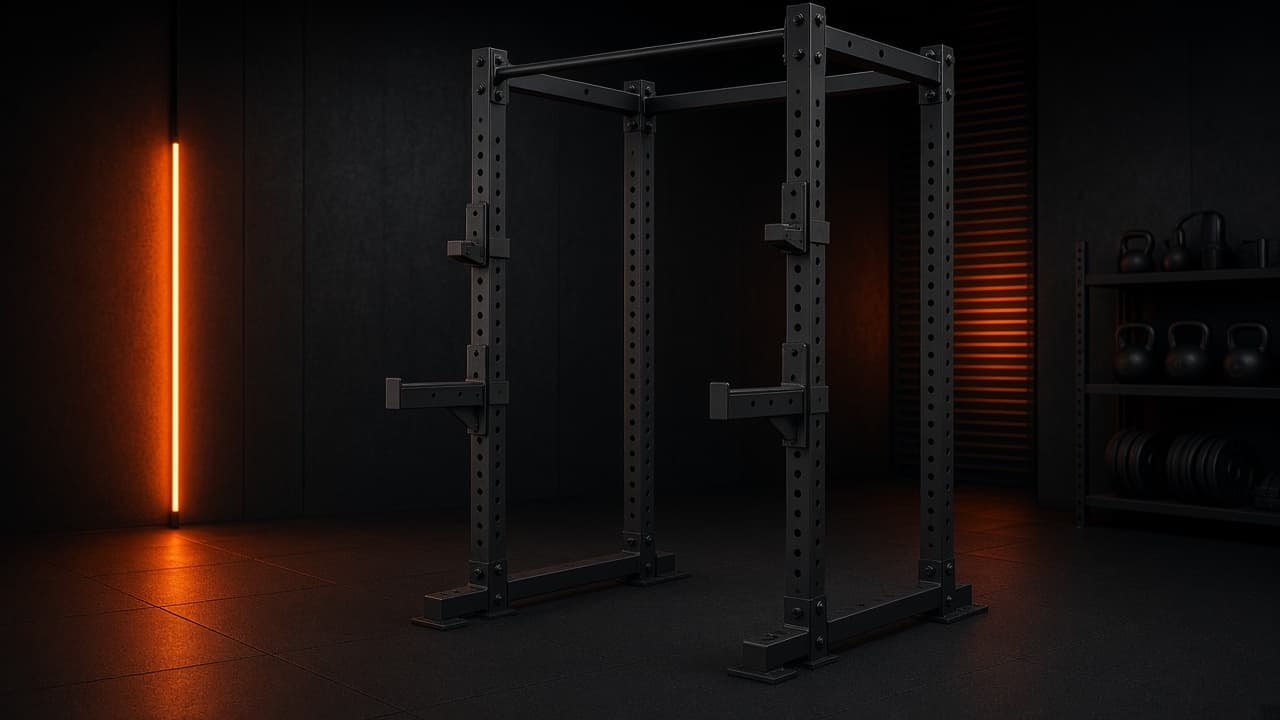
A power rack with safety arms or straps lets you squat and bench heavy alone — the most important safety feature in a home gym. Squat stands take less space and cost less but offer less protection when training alone. Check whether the rack must be bolted down and whether its hole spacing suits bench pressing. See our power racks guide.
2. Barbell
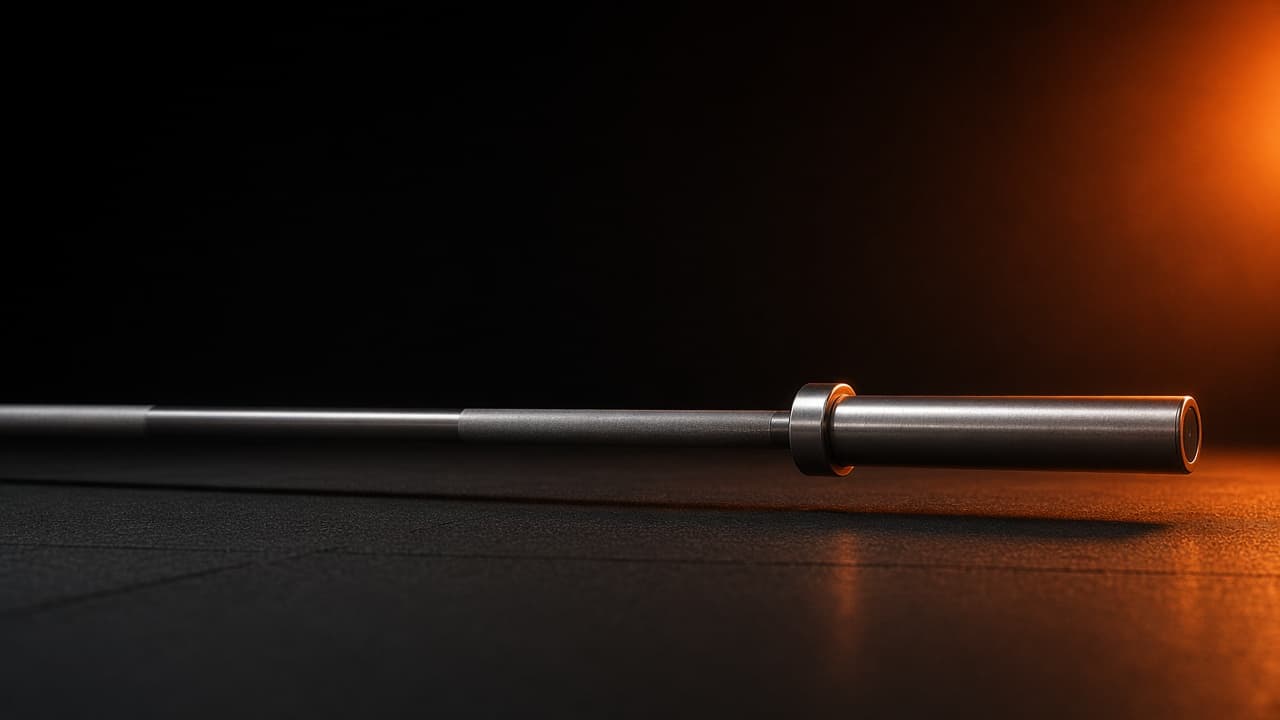
A good 20 kg bar is the piece you'll touch every session, so it's worth spending here. Look for a bar rated for the loads you'll lift, with medium knurling and decent sleeve rotation. Our barbells guide covers both budget and premium options.
3. Plates
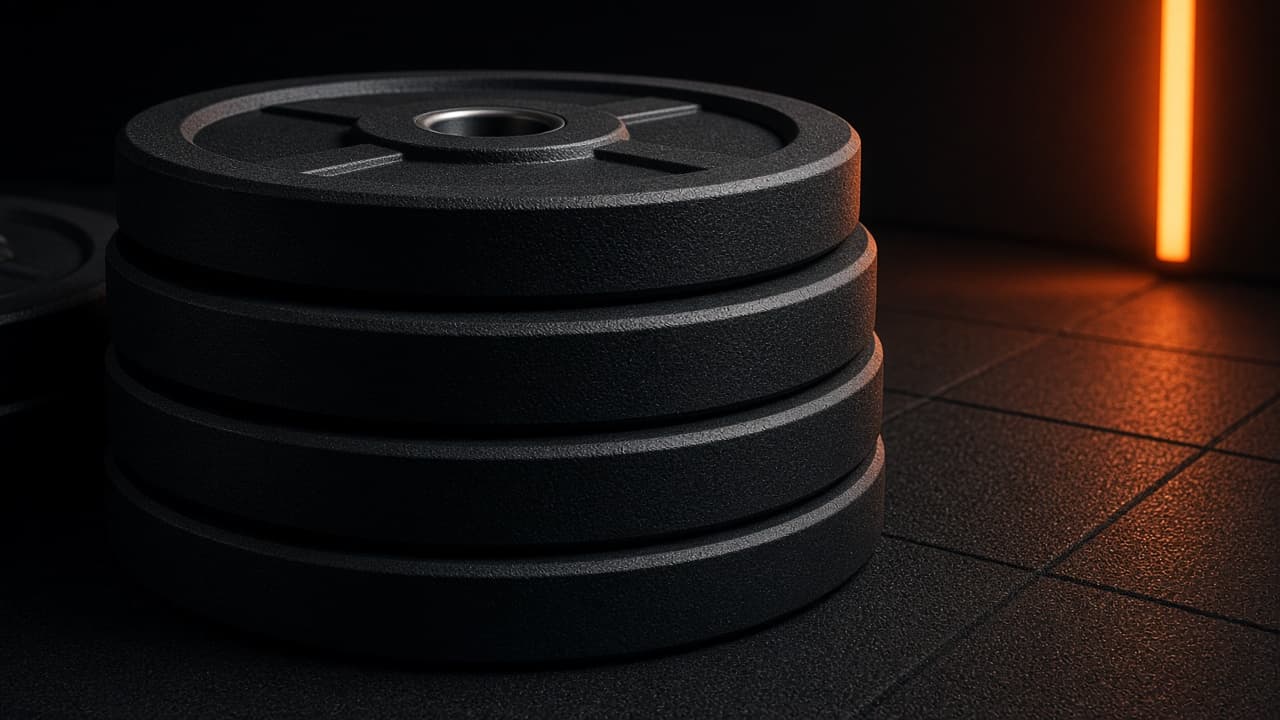
Bumper plates are quieter and protect floors when you deadlift; iron plates are thinner and usually cheaper per kilogram. Most home lifters start with bumpers plus a few change plates. Freight can be a large part of the cost, so compare delivered prices. See bumper plates.
4. Bench, then extras
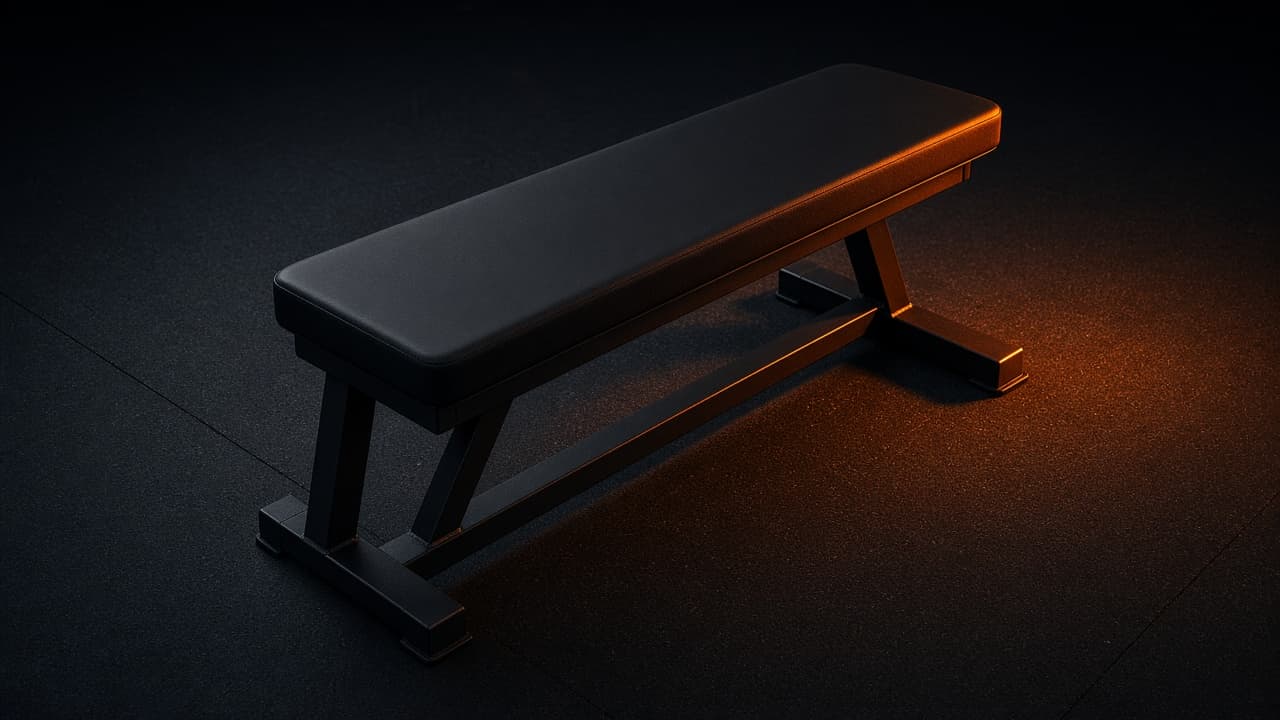
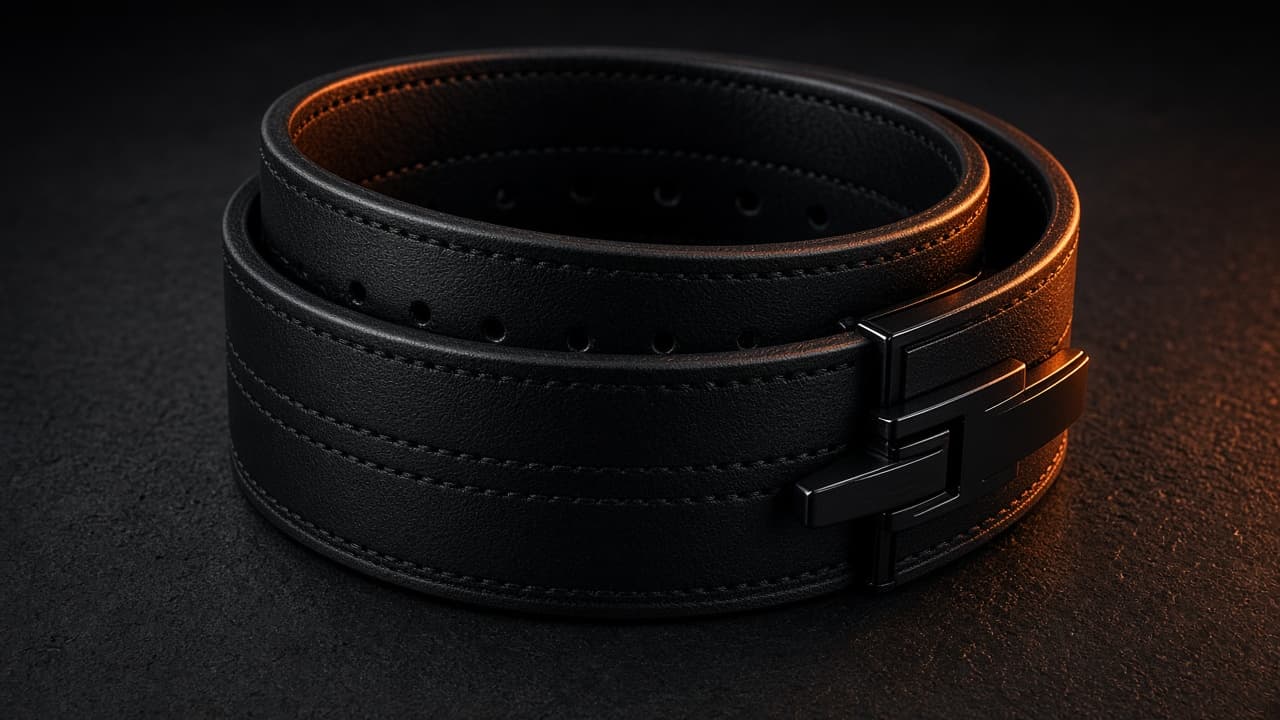
A sturdy flat bench is enough for powerlifting — adjustable benches add accessory options. After that, add a belt and sleeves if your training calls for them, rubber flooring, and dumbbells for accessory work.
Recommended gear
Our best overall and budget picks for each.
More guides
All guides →Hyrox · 2 min read
What to Wear for Hyrox: Race-Day Kit Guide
What to wear for your first Hyrox: shoes, clothing, gloves and extras for the 8 × 1 km runs and 8 stations — plus what to leave in your bag.
Read guide →Hyrox · 2 min read
Hyrox Race-Day Checklist: What to Pack
A simple Hyrox packing checklist: race kit, spare clothes, fuel, recovery and admin items, so you arrive calm and don't forget anything on race day.
Read guide →Hyrox · 2 min read
Can You Wear Gloves in Hyrox? Rules and What to Choose
Gloves in Hyrox: are they allowed, which stations they help with, and how to pick thin gloves that won't slow you down on the wall balls.
Read guide →