Hiking · 2 min read
Hiking Boots vs Trail Runners: Which Should You Wear?
The old rule was simple: hiking means boots. Today many hikers wear trail running shoes instead. Both are good choices — for different trails, weather and loads.
By the Fuel & Kit team · Updated
When boots make sense
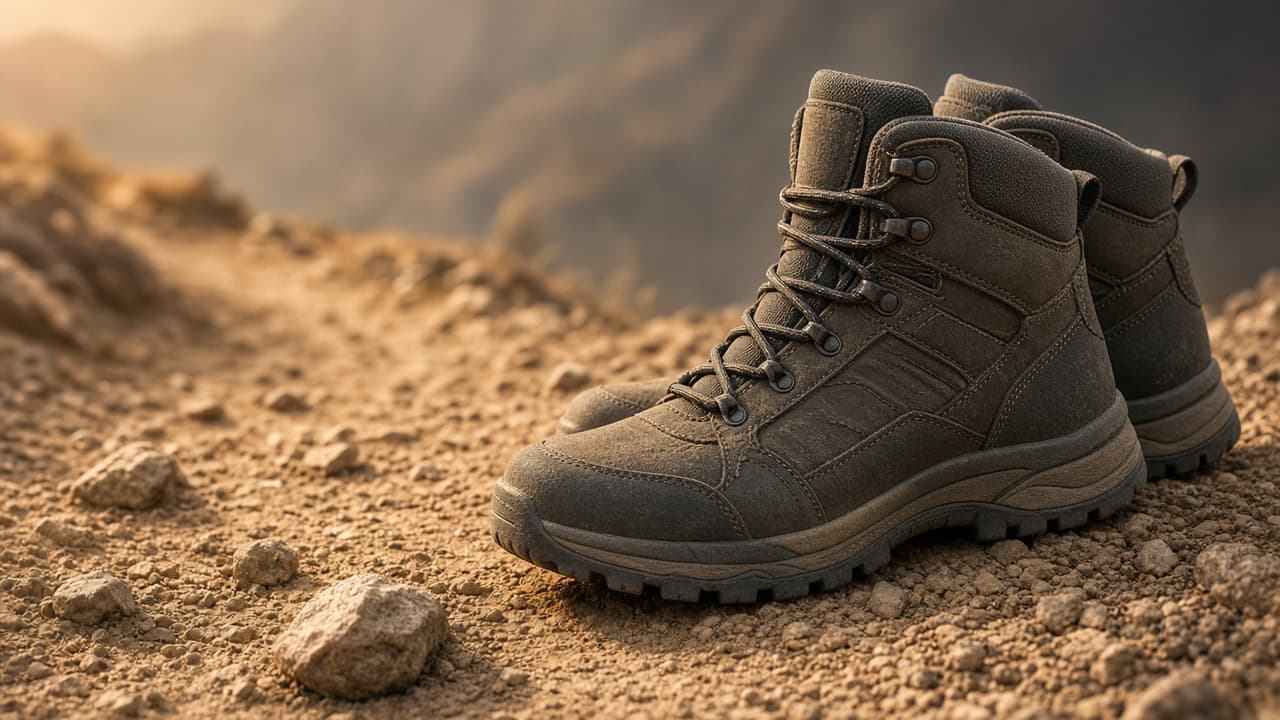
Mid-height hiking boots give more ankle coverage, a stiffer sole and usually a waterproof membrane. They shine on rocky, uneven ground, in wet and muddy conditions, in colder weather and when you carry a heavier pack. See our hiking boots guide.
When trail runners make sense
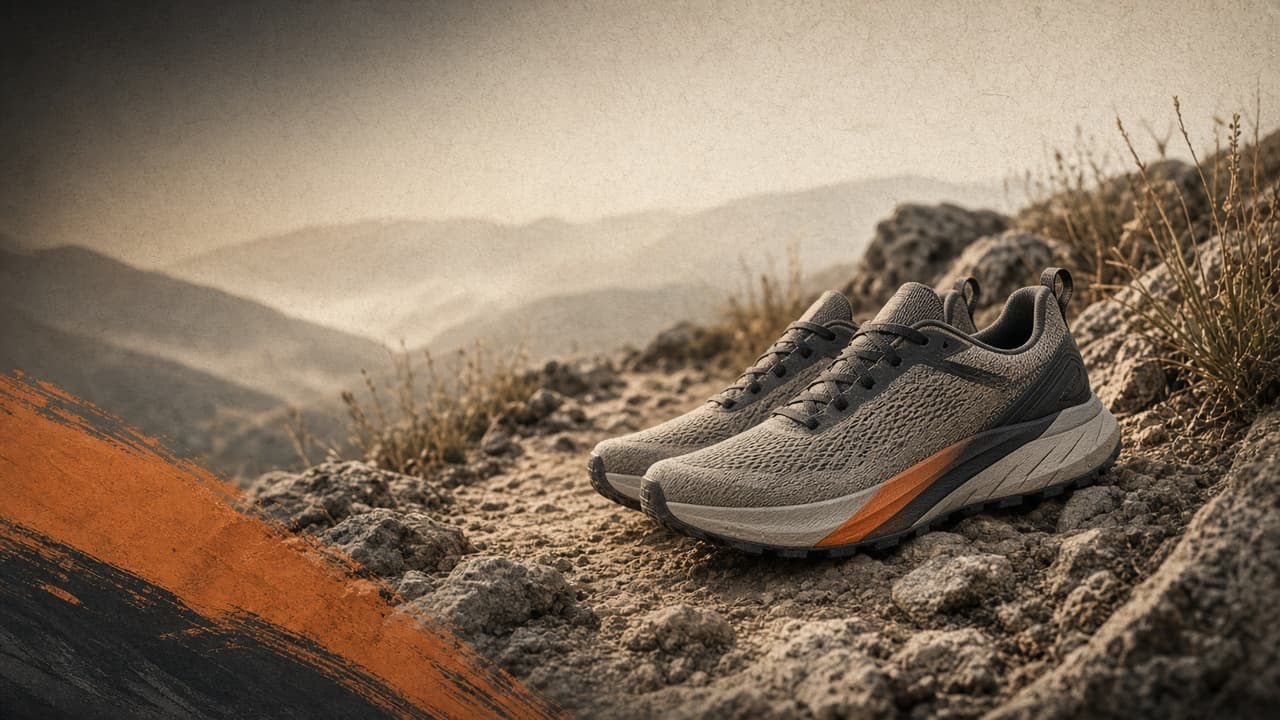
Trail runners are lighter, more flexible and need little breaking in. On dry, well-kept trails and long days they feel less tiring, and non-waterproof versions dry quickly after stream crossings. Many experienced hikers prefer them for summer. Compare options in our trail runners guide.
Waterproof or not?
Waterproof membranes keep water out in rain and puddles but make shoes warmer, and once water gets in over the top they dry slowly. In cool, wet climates waterproof is usually worth it; in hot, dry conditions breathable shoes are more comfortable.
Fit matters more than type
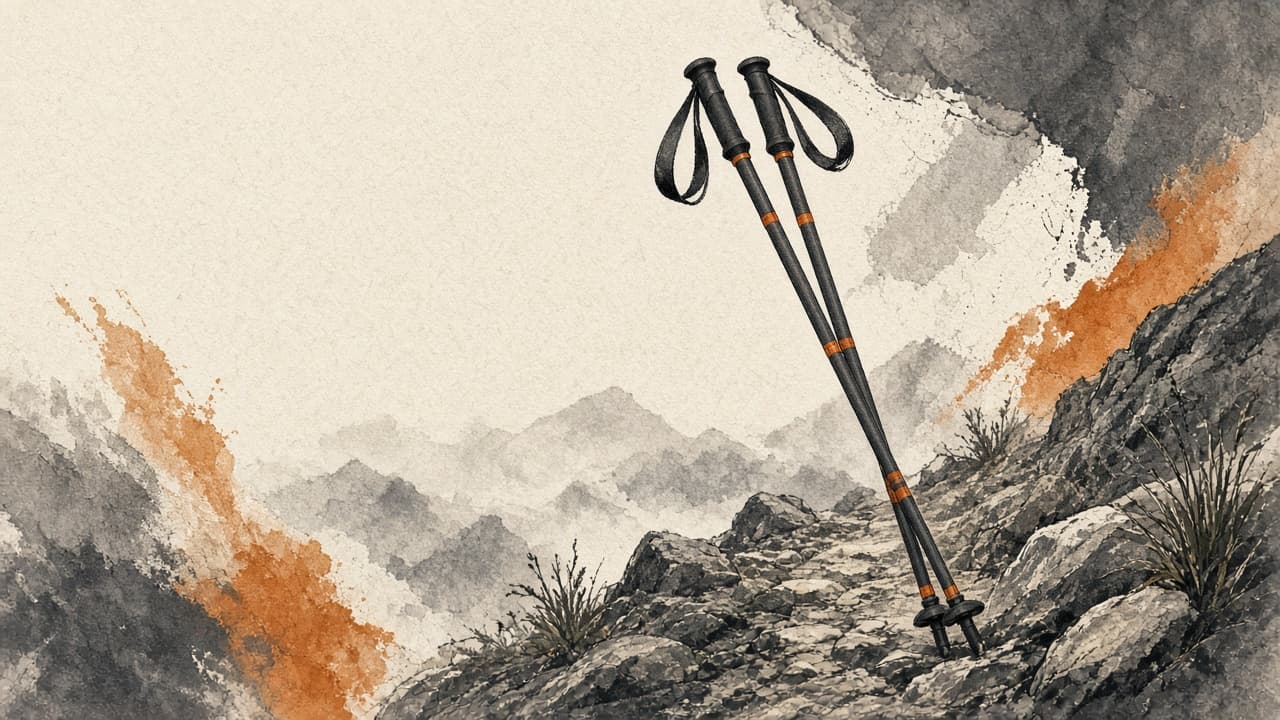
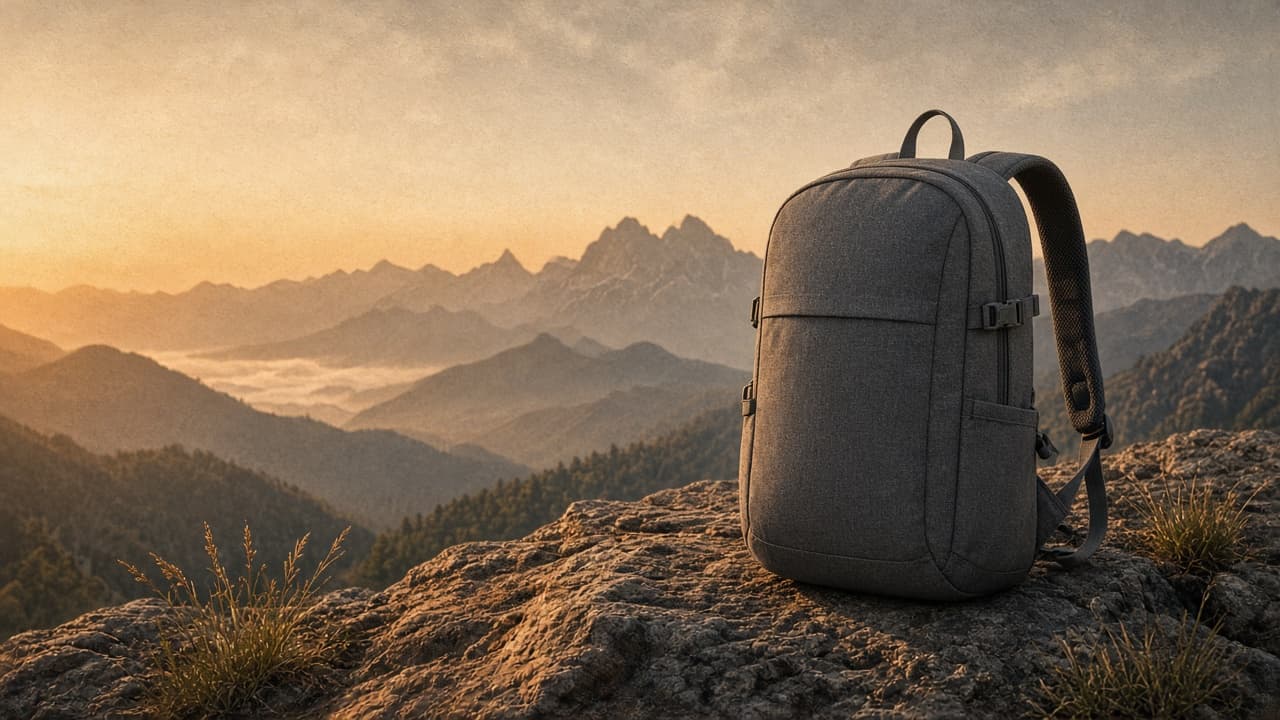
Whatever you choose, fit decides comfort. Try shoes on later in the day when feet are larger, with the socks you'll hike in, and leave room for your toes on descents. Pair your footwear with trekking poles for steep ground and a daypack that fits water and a rain shell.
Recommended gear
Our best overall and budget picks for each.
More guides
All guides →Hyrox · 2 min read
What to Wear for Hyrox: Race-Day Kit Guide
What to wear for your first Hyrox: shoes, clothing, gloves and extras for the 8 × 1 km runs and 8 stations — plus what to leave in your bag.
Read guide →Hyrox · 2 min read
Hyrox Race-Day Checklist: What to Pack
A simple Hyrox packing checklist: race kit, spare clothes, fuel, recovery and admin items, so you arrive calm and don't forget anything on race day.
Read guide →Hyrox · 2 min read
Can You Wear Gloves in Hyrox? Rules and What to Choose
Gloves in Hyrox: are they allowed, which stations they help with, and how to pick thin gloves that won't slow you down on the wall balls.
Read guide →