Race Nutrition · 2 min read
Electrolytes vs Drink Mix: What's the Difference?
Walk down the sports nutrition aisle and you'll see electrolyte tablets, hydration powders, isotonic drinks and high-carb mixes that all look similar. They aren't. The key question is whether a product is mainly giving you salt, mainly giving you carbohydrate, or both.
By the Fuel & Kit team · Updated
Electrolytes: salt without much energy
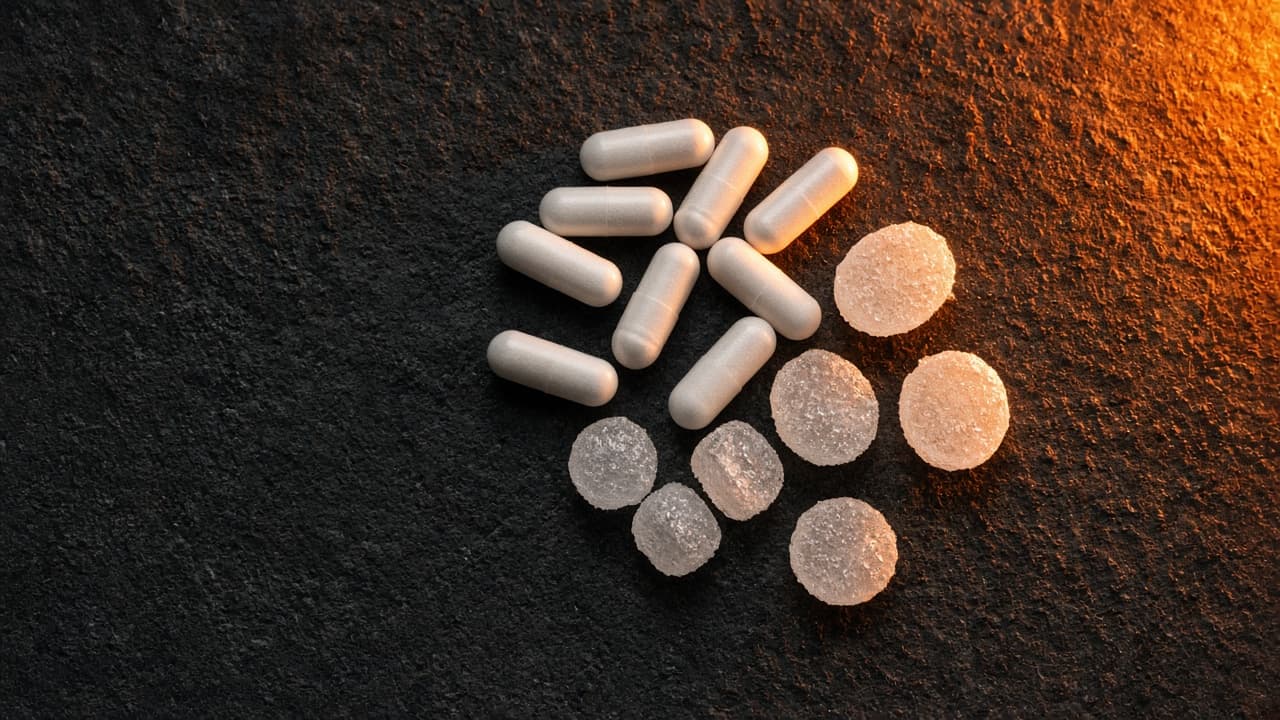
Electrolyte tablets and low-calorie hydration powders mostly provide sodium, with smaller amounts of potassium and magnesium. They help replace what you lose in sweat but contain little or no carbohydrate, so they won't fuel a long effort on their own. They're useful for shorter sessions, hot days, and for heavy or salty sweaters. Compare options in our electrolytes guide.
Drink mixes: carbs you can drink
Carb drink mixes deliver energy — often 30–90 g of carbohydrate per bottle depending on the product and how strong you mix it — usually with some sodium too. They let you fuel and hydrate in one go, which is why many triathletes and cyclists get much of their fueling from bottles. See our drink mixes guide.
Which do you need?
- Under about an hour, easy pace: water is usually enough
- Hot sessions or heavy sweating: add electrolytes
- Long or hard sessions (roughly 90 minutes and up): you need carbohydrate too — drink mix, gels or both
- Races: many athletes use a drink mix on the bike and gels plus water on the run
Don't double up by accident
If your drink mix already contains sodium and you add tablets on top, you may take in more salt than you need. Read the labels, find a routine that works in training, and keep it simple on race day. Needs vary a lot between people — this is general information, not medical advice.
Recommended gear
Our best overall and budget picks for each.

More guides
All guides →Race Nutrition · 2 min read
How Many Gels for a 70.3? A Simple Fueling Plan
How many energy gels you need for a half Ironman (70.3): a simple carbs-per-hour plan for the bike and run, with an example and tips to practice it.
Read guide →Hyrox · 2 min read
What to Wear for Hyrox: Race-Day Kit Guide
What to wear for your first Hyrox: shoes, clothing, gloves and extras for the 8 × 1 km runs and 8 stations — plus what to leave in your bag.
Read guide →Hyrox · 2 min read
Hyrox Race-Day Checklist: What to Pack
A simple Hyrox packing checklist: race kit, spare clothes, fuel, recovery and admin items, so you arrive calm and don't forget anything on race day.
Read guide →